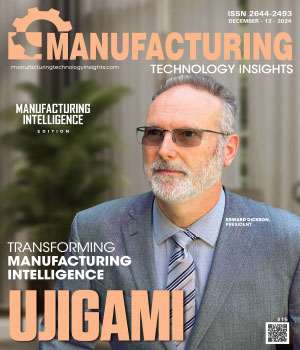

Manufacturing Intelligence (MI) is undergoing a transformative evolution, driven by advances in digital technology, data analytics, and artificial intelligence. As the industrial sector enters the next phase of the Fourth Industrial Revolution (Industry 4.0), Manufacturing Intelligence is playing a crucial role in shaping the future of production, offering manufacturers unprecedented insights into their operations, enhancing efficiency, and driving innovation.
At the heart of Manufacturing Intelligence is the integration of data analytics with traditional manufacturing processes. The latest developments in MI focus on harnessing the power of big data, machine learning, and real-time analytics to optimize production lines, predict equipment failures, and streamline supply chains.
One of the most impactful applications of MI is in predictive maintenance. Advanced sensors and IoT devices are embedded in machinery to monitor performance and detect anomalies. Using predictive analytics, manufacturers can anticipate equipment failures before they occur, minimizing downtime and reducing maintenance costs. This shift from reactive to predictive maintenance is saving industries millions of dollars annually.
The implementation of Manufacturing Execution Systems (MES) with integrated AI capabilities is revolutionizing real-time decisionmaking on the shop floor. These systems collect and analyze data from various production stages, allowing for immediate adjustments to be made, improving product quality, reducing waste, and increasing overall efficiency.
Despite these advancements, the widespread adoption of Manufacturing Intelligence faces several challenges. The integration of new technologies into existing systems can be complex and costly, requiring significant investments in both hardware and software. Additionally, the need for skilled workers who can operate and maintain these advanced systems is a growing concern.
The latest developments in Manufacturing Intelligence are revolutionizing the industrial landscape, driving efficiency, sustainability, and innovation. The future of manufacturing is intelligent, interconnected, and data-driven, and those who navigate this digital industrial revolution successfully will lead the way into a new era of industrial excellence.
In this edition, we have featured Ujigami. The company’s system stands out due to its ease of deployment and seamless connectivity with every device and machine on the plant floor.